
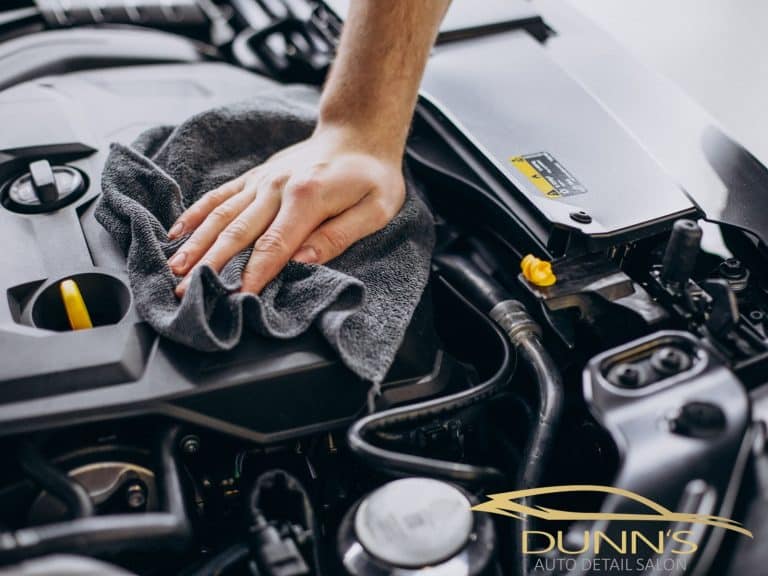
An engine bay can collect dirt and residue that are hard to assess at a glance. Cleaning may improve its appearance and make some areas easier to inspect, but it should not be sold as a tune-up or a guaranteed performance improvement.
What Builds Up Inside an Engine Bay?
An engine compartment is protected by the hood, but it is far from sealed. Airflow carries dust and fine debris into the area every time the vehicle is driven. Wet roads can introduce additional grime, while leaves, pine needles, and other organic debris may settle around the edges of the compartment.
Small amounts of oil or other automotive fluids can also create residue that attracts dirt. Over time, the combination can coat plastic covers, painted surfaces, hoses, reservoirs, and accessible components with a dull layer of buildup.
Mukilteo’s wet-weather conditions can make exterior contamination particularly noticeable throughout the year. While engine-bay grime does not automatically indicate a mechanical problem, allowing heavy buildup to remain indefinitely can make the compartment harder to inspect and maintain.
Professional engine bay cleaning services can remove accumulated surface grime while accounting for the sensitive electrical and mechanical components located throughout the area.
A Clean Engine Bay Makes Inspection Easier
One of the most practical benefits of engine bay detailing has little to do with making a vehicle look impressive. A clean compartment provides a clearer baseline for visual inspections.
Imagine trying to determine whether a small amount of oily residue is new when the surrounding area has been covered in grime for years. Existing buildup can disguise the source of fresh fluid, make wet spots harder to distinguish, and generally create visual clutter.
Once accessible surfaces are clean, new residue may be easier to notice. The same applies to deteriorating hoses, loose connections, damaged covers, corrosion, or other visible changes.
Detailing is not a substitute for mechanical inspection or diagnosis. We are not suggesting that cleaning the engine bay will reveal every developing vehicle problem. Instead, cleanliness removes some of the visual interference that can make obvious changes harder for an owner or technician to spot.
Engine Bay Detailing vs. Mechanical Maintenance
These services serve two very different purposes.
Mechanical maintenance addresses the operation and condition of the vehicle. That includes oil changes, fluid service, belt or hose replacement, electrical repairs, leak diagnosis, and other work necessary to keep the vehicle functioning properly.
Engine bay detailing focuses on cleaning and appearance. It removes accessible dirt and residue without attempting to diagnose or repair mechanical components.
The two can complement each other. A well-maintained engine compartment gives technicians a cleaner area to work around, while proper mechanical maintenance can address leaks or other problems that would otherwise cause fresh contamination.
For owners who care about maintaining the entire vehicle rather than only its visible exterior, incorporating professional auto detailing into ongoing vehicle care can help address areas that routine washing typically misses.
Why Cleaning an Engine Bay Requires Care
Opening the hood and spraying everything with a garden hose is not the same thing as properly detailing an engine compartment. Modern vehicles contain electrical connectors, sensors, control modules, fuse boxes, air-intake components, and other areas where careless cleaning can create unnecessary risk.
High-pressure water can force moisture into places it should not go. Excessive degreaser may also damage certain finishes or leave residue behind when used incorrectly. Aggressive scrubbing can disturb aging components or labels.
A professional approach considers what is being cleaned before choosing a method. Sensitive areas may require protection, while products should be selected according to the material and type of contamination being addressed. Controlled cleaning is preferable to saturating the entire compartment and hoping everything dries properly.
This is one reason engine bay detailing is an area where technique matters as much as the finished appearance.
The Appearance Difference Is Significant
Even a beautifully detailed vehicle can feel unfinished when opening the hood reveals years of accumulated dirt. Cleaning the engine compartment can dramatically improve the overall presentation, especially on enthusiast vehicles, collector cars, weekend vehicles, and meticulously maintained daily drivers.
Plastic covers regain a cleaner appearance. Painted areas become visible again. Dust disappears from reservoirs and surrounding surfaces. Instead of a uniformly grimy compartment, individual components look defined and cared for.
Owners preparing for a car show or gathering may find engine-bay presentation particularly important. The same is true when preparing a vehicle for photographs or sale. Pairing the service with exterior auto detailing services can create a more complete presentation from the paintwork to the area beneath the hood.
Does a Clean Engine Bay Increase Vehicle Value?
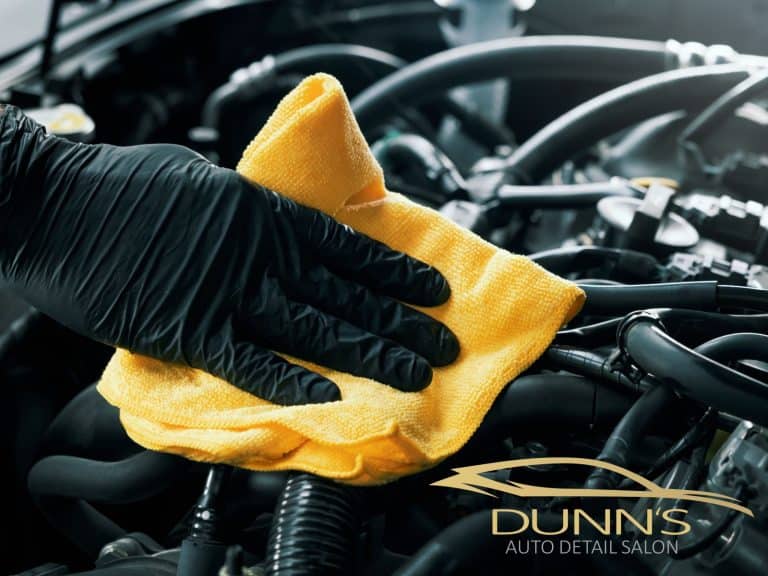
Detailing alone does not change a vehicle’s mechanical condition or guarantee a higher resale price. A spotless engine compartment cannot compensate for neglected maintenance, mechanical defects, or an incomplete service history.
Presentation still influences how people perceive a vehicle, however. A prospective buyer who opens the hood and sees a reasonably clean, orderly compartment may have a different first impression than someone confronted with thick grime and years of visible neglect.
There is an important balance here. An excessively glossy or freshly soaked engine compartment immediately before a sale can sometimes make buyers suspicious that someone is attempting to conceal a leak. Professional detailing should create a clean, natural appearance rather than making mechanical components look artificially dressed.
For Mukilteo vehicle owners preparing to sell, trade, show, or simply preserve a vehicle, thoughtful detailing can support the overall impression of consistent care.
Frequently Asked Questions
Is it safe to detail an engine bay?
Engine bay detailing can be performed safely when appropriate cleaning methods are used and sensitive components are treated carefully. Modern engine compartments contain electrical connections and other areas that should not simply be saturated with high-pressure water.
Can engine bay detailing help identify leaks?
Cleaning does not diagnose mechanical problems, but removing old grime and fluid residue can make newly appearing leaks or wet areas easier to notice during future visual inspections. Suspected leaks should always be evaluated by a qualified automotive technician.
How often should an engine bay be detailed?
There is no fixed schedule. Driving conditions, outdoor parking, road grime, dust, and previous leaks can all affect how quickly contamination accumulates. Visible buildup is generally a better indicator than following a specific timeline.
Should I clean my engine bay before selling my vehicle?
A clean, natural-looking engine compartment can improve a vehicle’s overall presentation to prospective buyers. Detailing should complement proper mechanical maintenance rather than being used to conceal leaks, damage, or other problems.
When Should You Consider Engine Bay Detailing?
There is no universal schedule for cleaning beneath the hood. A garage-kept vehicle driven primarily on paved roads may stay relatively clean for a long time, while a daily driver exposed to construction dust, wet roads, gravel, or heavy environmental debris can accumulate grime much faster.
Visible buildup is usually the simplest indicator. Consider professional cleaning when thick dust covers accessible surfaces, oily grime has accumulated, leaves or debris have collected around the compartment, or the engine bay looks noticeably neglected compared with the rest of the vehicle.
Cleaning can also make sense after a mechanical leak has been properly repaired. Removing leftover residue gives the compartment a cleaner baseline, which may make newly appearing fluid easier to distinguish from old contamination.
Engine Bay Cleaning as Part of Complete Vehicle Care
Vehicle detailing does not need to stop at the surfaces everyone sees. Door jambs, wheels, interior crevices, paintwork, and the engine compartment each collect different types of contamination.
Addressing these areas periodically can keep a well-maintained vehicle from developing pockets of long-term buildup. Drivers interested in more comprehensive appearance care can combine engine-bay service with complete vehicle detailing when several areas need professional attention at the same time.
For Mukilteo customers, our Everett location also provides a nearby option for professional detailing without treating engine-bay cleaning as a rushed add-on. The objective is controlled, appropriate cleaning that improves presentation while respecting the components beneath the hood.
Give Your Engine Bay the Attention It Needs
When heavy dust, road grime, or oily residue has made it difficult to keep the area beneath your hood clean and easy to inspect, professional engine bay detailing may be worthwhile. Dunn’s Auto Detail Salon serves drivers from Mukilteo at our shop in nearby Everett, providing careful vehicle appearance services for owners who want more complete detailing. Call Dunn’s Auto Detail Salon at (425) 353-4000 to schedule engine bay detailing when your engine compartment is ready for professional attention.