
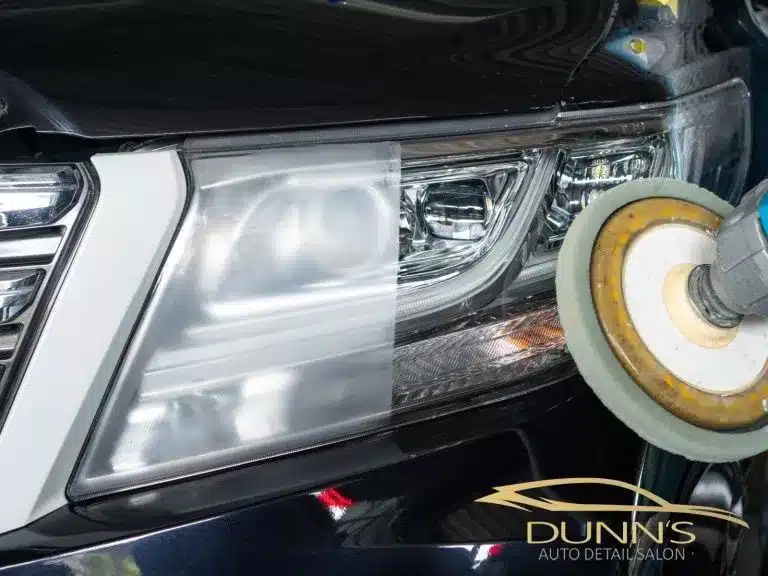
When foggy headlights make a vehicle look older than it is, the problem goes beyond appearance. Cloudy or yellowed lenses can reduce the amount of usable light reaching the road, making nighttime driving and poor-weather visibility more difficult. For drivers in Everett and the surrounding areas, understanding why headlight lenses deteriorate can also make it easier to decide when professional restoration is worthwhile and when a damaged assembly may need replacement.
Why Headlight Lenses Become Cloudy
Most modern vehicles use headlight lenses made from polycarbonate plastic. This material is lightweight, impact-resistant, and well-suited to everyday driving, but untreated polycarbonate does not hold up well against prolonged ultraviolet exposure. Manufacturers apply a protective coating to new lenses to help shield the plastic from sunlight and environmental damage.
Over time, that factory-applied coating wears away. Once the underlying plastic is exposed, ultraviolet radiation begins to break down its surface. Oxidation develops, creating the hazy, yellow, or chalky appearance commonly associated with aging headlights.
Professional headlight restoration services can address surface deterioration by removing the damaged outer layer and restoring clarity rather than simply covering the oxidation temporarily.
Sunlight Is a Major Cause of Headlight Oxidation
UV exposure is one of the biggest contributors to cloudy headlights. A vehicle parked outdoors for much of its life can experience faster lens deterioration than one regularly stored in a garage or covered parking area.
The change usually happens gradually. A lens may first lose some of its shine before developing a faint yellow tint. Continued exposure can eventually produce noticeable cloudiness or a rough-looking surface. Because deterioration occurs little by little, drivers sometimes become accustomed to reduced headlight performance without realizing how much clarity has been lost.
Everett does not experience the intense year-round sunshine associated with hotter climates, but UV radiation still reaches vehicles on cloudy days. Outdoor parking, seasonal sun exposure, and years of daily driving can all contribute to long-term lens deterioration.
Road Contaminants Add to the Damage
Headlights occupy one of the most exposed areas of a vehicle. Road grit, dirt, insects, chemicals, and other contaminants continually strike or collect on the lenses. Fine debris can create microscopic surface damage that makes already-deteriorating plastic appear even duller.
Winter road conditions can be particularly hard on exterior surfaces. Moisture, roadway residue, and grime accumulate quickly during wet-weather driving. Repeated washing with harsh chemicals or abrasive materials can also contribute to surface wear.
A carefully maintained exterior helps limit unnecessary deterioration. Including the headlights as part of professional exterior auto detailing allows built-up contaminants to be removed using products and techniques appropriate for automotive surfaces.
Oxidation and Interior Moisture Are Different Problems
Not every cloudy-looking headlight has the same cause. Surface oxidation affects the outside of the lens, while condensation forms inside the headlight assembly. Knowing the difference matters because the appropriate solution is not the same.
Oxidation usually appears as yellowing, haze, or a rough film across the exterior surface. Interior condensation may look like mist, droplets, or water collecting behind an otherwise smooth lens. Minor temporary condensation can occur under certain temperature and humidity conditions, but persistent moisture can indicate a failed seal, damaged housing, or ventilation problem.
Exterior restoration cannot repair a leaking headlight assembly. When moisture repeatedly returns or water visibly collects inside the housing, the assembly should be inspected for damage rather than repeatedly polishing the outside.
Can Washing Remove Foggy Headlights?
Ordinary washing removes dirt sitting on top of the lens, but it cannot reverse oxidation that has changed the plastic itself. A freshly washed headlight may therefore remain yellow or hazy even though the surface is clean.
Store-bought cleaners and household remedies can sometimes make mildly oxidized lenses look better for a short period. The limitation is that visible oxidation may need to be removed evenly, and the restored surface needs protection afterward. Aggressive abrasives can leave scratches, uneven areas, or additional haze.
This distinction is similar to other exterior-care issues. Cleaning removes contamination, while correction addresses deterioration or defects in the surface. Drivers interested in protecting other exposed finishes can also explore vehicle paint protection options as part of a broader appearance-maintenance plan.
Restoration vs. Headlight Replacement
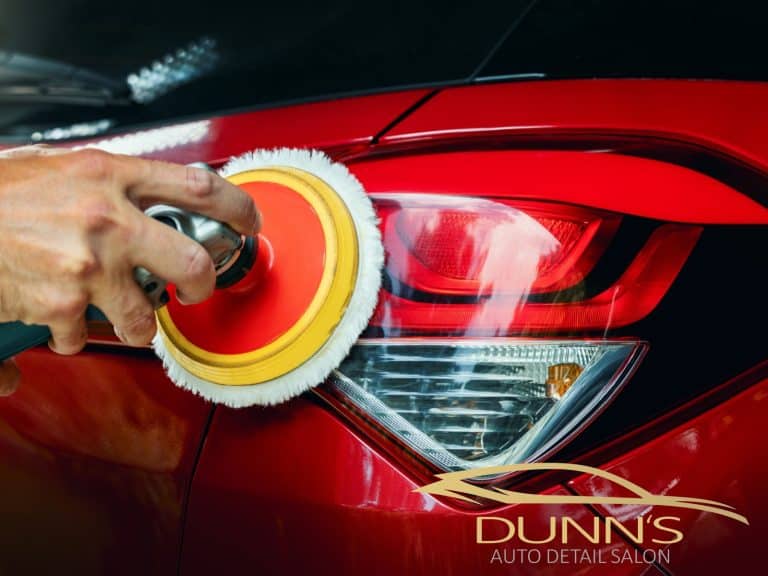
Replacement makes sense when a headlight housing is cracked, badly damaged, leaking, or deteriorated internally. Restoration is generally the more practical option when the primary problem is oxidation on an otherwise functional lens.
Replacing complete headlight assemblies can become expensive, particularly on newer vehicles equipped with LED systems, adaptive lighting, or assemblies containing integrated electronics. Depending on the vehicle, replacement costs can range from a few hundred dollars to well over $1,000 per assembly once parts and labor are considered.
Restoration addresses a different problem. Instead of discarding a functional assembly because its exterior surface has deteriorated, the oxidized layer can be corrected. A professional assessment can help determine which approach makes sense before a vehicle owner spends money on unnecessary replacement parts.
Why Headlight Clarity Matters for Visibility
Cloudy headlights are easy to dismiss as a cosmetic problem, especially when both bulbs still illuminate. The lens, however, is responsible for allowing that light to travel outward effectively. Oxidation can scatter or block some of the light that would otherwise reach the roadway.
The difference becomes more noticeable during nighttime driving, rain, fog, and other low-visibility conditions. A driver may notice that the road ahead seems dim even after installing new bulbs. When the lens itself is heavily oxidized, brighter bulbs do not correct the obstruction at the surface.
For Everett drivers who frequently encounter rain and dark winter commutes, restoring lens clarity can support both the vehicle’s appearance and more effective headlight performance.
Frequently Asked Questions
Headlight lenses can turn yellow when their protective outer coating deteriorates and ultraviolet exposure begins oxidizing the polycarbonate plastic underneath. Road contaminants and long-term environmental exposure can make the discoloration more noticeable.
Yes. Heavy oxidation can interfere with the amount and distribution of light passing through the lens. Drivers may notice that the roadway appears dimmer at night even when the headlight bulbs are still working properly.
Many oxidized headlights can be professionally restored as long as the lens and assembly remain structurally sound. Cracks, internal deterioration, persistent water intrusion, or significant housing damage may make replacement a better option.
Headlights can oxidize again when the restored polycarbonate is left exposed to ultraviolet radiation and environmental conditions. Appropriate surface protection and ongoing exterior care can help slow the return of oxidation.
When Is Professional Headlight Restoration Worth It?
Consider professional restoration when the lenses remain cloudy after washing, yellowing is clearly visible, nighttime illumination seems weaker, or the headlights noticeably detract from an otherwise well-maintained vehicle.
Restoration can also be useful before selling or trading in a vehicle. Headlights sit prominently at the front of the car, so deteriorated lenses can make an otherwise clean vehicle appear neglected. Correcting them can create a more finished appearance without replacing functional assemblies.
A professional can evaluate the condition of the lenses and determine whether the deterioration is suitable for restoration. When oxidation is combined with other exterior concerns, complete auto detailing services can provide a more comprehensive approach to improving the vehicle’s overall presentation.
Protecting Headlights After Restoration
Restoring clarity is only part of the process. Once deteriorated material has been removed, the corrected lens needs protection against renewed UV exposure. Without adequate protection, oxidation can return.
Parking in a garage or shaded location when practical can reduce exposure, although drivers should not expect to eliminate UV contact entirely. Keeping lenses clean also prevents grime from remaining on the surface for extended periods. Avoid harsh household cleaners and aggressive scrubbing materials that were not designed for automotive finishes.
The most useful maintenance plan is preventative rather than reactive. Paying attention to early haze or yellowing gives vehicle owners an opportunity to address deterioration before the lenses become severely oxidized.
Restore Foggy Headlights Before Visibility Gets Worse
Once foggy headlights remain hazy after normal cleaning, show significant yellowing, or begin affecting nighttime visibility, it is time to have the lenses professionally evaluated. Dunn’s Auto Detail Salon helps Everett vehicle owners improve deteriorated headlight lenses and restore a cleaner, clearer appearance. Call Dunn’s Auto Detail Salon at (425) 353-4000 to schedule headlight restoration before continued oxidation makes the problem more severe.